DPDP Readiness Explained: Moving from Privacy Awareness to Practical Implementation
Watch EpisodeAbout This Episode
As India transitions into the era of the Digital Personal Data Protection (DPDP) Act, organizations are moving from the “awareness” phase, simply knowing the law exists, to the “implementation” phase. In this Seqrite Privacy Hour session, experts discuss the practical roadmap for achieving DPDP readiness, emphasizing that compliance is not a destination but a continuous operational shift.
The following FAQs are based on the strategic and technical insights shared in the video
Frequently Asked Questions
What is the first practical step an organization should take for DPDP readiness?
The consensus among experts is to start with Data Discovery and Mapping. You cannot protect data if you don’t know where it resides. Organizations must identify what personal data they collect, where it is stored (on premises, in the cloud, or with third parties), and how it flows through various business processes.
How does the DPDPA redefine “Consent” compared to previous practices?
Under the DPDP Act, consent must be free, specific, informed, unconditional, and unambiguous. It requires affirmative action (no pre-ticked boxes). Furthermore, the “Notice” accompanying the consent request must be clear and available in English as well as any of the 22 languages specified in the Eighth Schedule of the Indian Constitution.
What is the role of a “Data Protection Officer” (DPO) under the Act?
For entities classified as Significant Data Fiduciaries (SDFs), appointing a DPO is mandatory. The DPO must be based in India and serve as the primary point of contact for grievance redressal and regulatory communication. They are responsible for overseeing the organization’s privacy strategy and ensuring adherence to the Act.
How should companies manage data processed by third-party vendors?
The “Data Fiduciary” (the company collecting the data) remains legally responsible for any failures in compliance with their “Data Processors” (vendors). Organizations must update their service-level agreements (SLAs), conduct vendor privacy assessments, and ensure that processors handle data only in accordance with the fiduciary’s specific instructions.
What are the specific rights granted to “Data Principals”?
The DPDPA empowers Indian citizens with several key rights, including:
- Right to Access: Knowing what data is being processed.
- Right to Correction and Erasure: Updating inaccurate data or asking for its deletion.
- Right to Grievance Redressal: A formal mechanism to report concerns.
- Right to Nominate: Appointing someone to exercise these rights in the event of the principal’s death or incapacity.
Why is “Privacy by Design” considered the most cost-effective approach?
Retrofitting privacy into existing systems is expensive and technically difficult. By adopting “Privacy by Design,” organizations integrate data protection features—such as encryption, pseudonymization, and automated deletion, into the development lifecycle of new products, reducing future legal and security risks.
How does the Act handle “Data Breaches” and notifications?
In the event of a personal data breach, the Data Fiduciary is obligated to notify the Data Protection Board (DPB) and each affected Data Principal. The session highlights that an automated incident response plan is critical to meeting the swift notification timelines required by law.
What is the penalty for non-compliance under the DPDPA?
The Act introduces a significant deterrent in the form of monetary penalties, which can go up to INR 250 Crores for certain failures, such as failing to take reasonable security safeguards to prevent data breaches. This makes practical implementation a boardroom-level priority.
This video serves as a masterclass for IT and Legal leaders looking to operationalize their privacy frameworks to meet the new Indian regulatory standards.
More Privacy Hour Episodes
View All Episodes →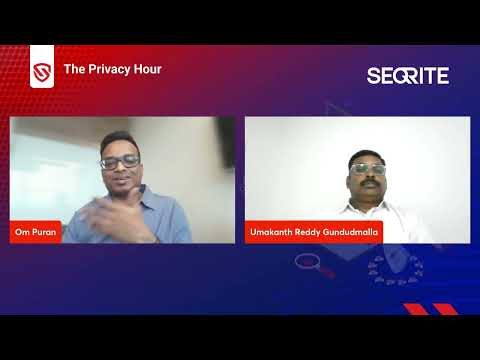



Ready to Strengthen Data Privacy?
Discover how Seqrite helps organizations simplify compliance and reduce risk.
Request a Demo